FF-11,First Floor, Shree Siddheshwar Plaza, New VIP Rd, near Super Bakers, above Tata Cars Motors Showroom, Sheshnarayan Society, Sardar Estate, Sayaji Park Society, Vadodara, Gujarat 390019
Swarspeechandhearingclinic@gmail.com
8200763554
Special Audiology Test (SISI, TDT)
Special Audiology Tests (SISI & TDT) for Advanced Hearing Assessment
TDT (Tone Decay Test)
How it works: The test involves presenting a continuous tone at a level slightly above the patient’s hearing threshold for a set period (usually one minute). The patient is asked to indicate when they can no longer hear the tone, even if it’s still present. If the patient’s ability to hear the tone decreases significantly over time (requires an increase in intensity to be heard), it suggests auditory fatigue and potentially a problem with the auditory nerve or cochlea.
Why it’s done:
To identify retrocochlear pathology:
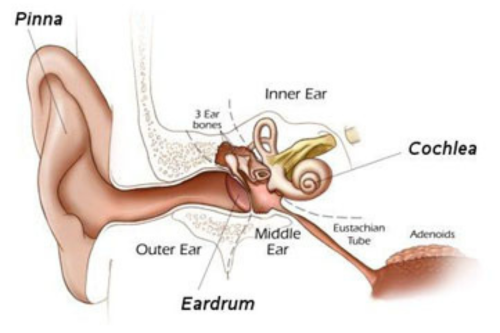
The TDT can help distinguish between hearing loss originating in the cochlea (inner ear) and hearing loss originating in the auditory nerve (retrocochlear).
To evaluate auditory adaptation:
It assesses how the auditory system adapts to a continuous sound, which can be helpful in diagnosing conditions like Meniere’s disease or other causes of auditory fatigue.
To aid in hearing aid selection:
Understanding the extent of auditory fatigue can be valuable in determining the most appropriate hearing aid settings for an individual.
SISI Test ( Short Increment Sensitivity Index test )
The SISI test, or Short Increment Sensitivity Index test, is a hearing assessment used to evaluate the inner ear’s ability to detect small.
How it works: A continuous tone is played at a specific frequency, and then short, 1 dB increments of loudness are added to the tone. The patient is asked to indicate when they perceive these intensity changes.
Why it’s used: The SISI test is used to help determine the site of lesion in cases of sensorineural hearing loss. Individuals with cochlear damage (e.g., from noise exposure or Meniere’s disease) often show a heightened sensitivity to these small intensity changes, while those with retrocochlear issues (e.g., acoustic neuroma) may not perceive them as